
NR509 Week 5 iHuman: Harvey Hoya
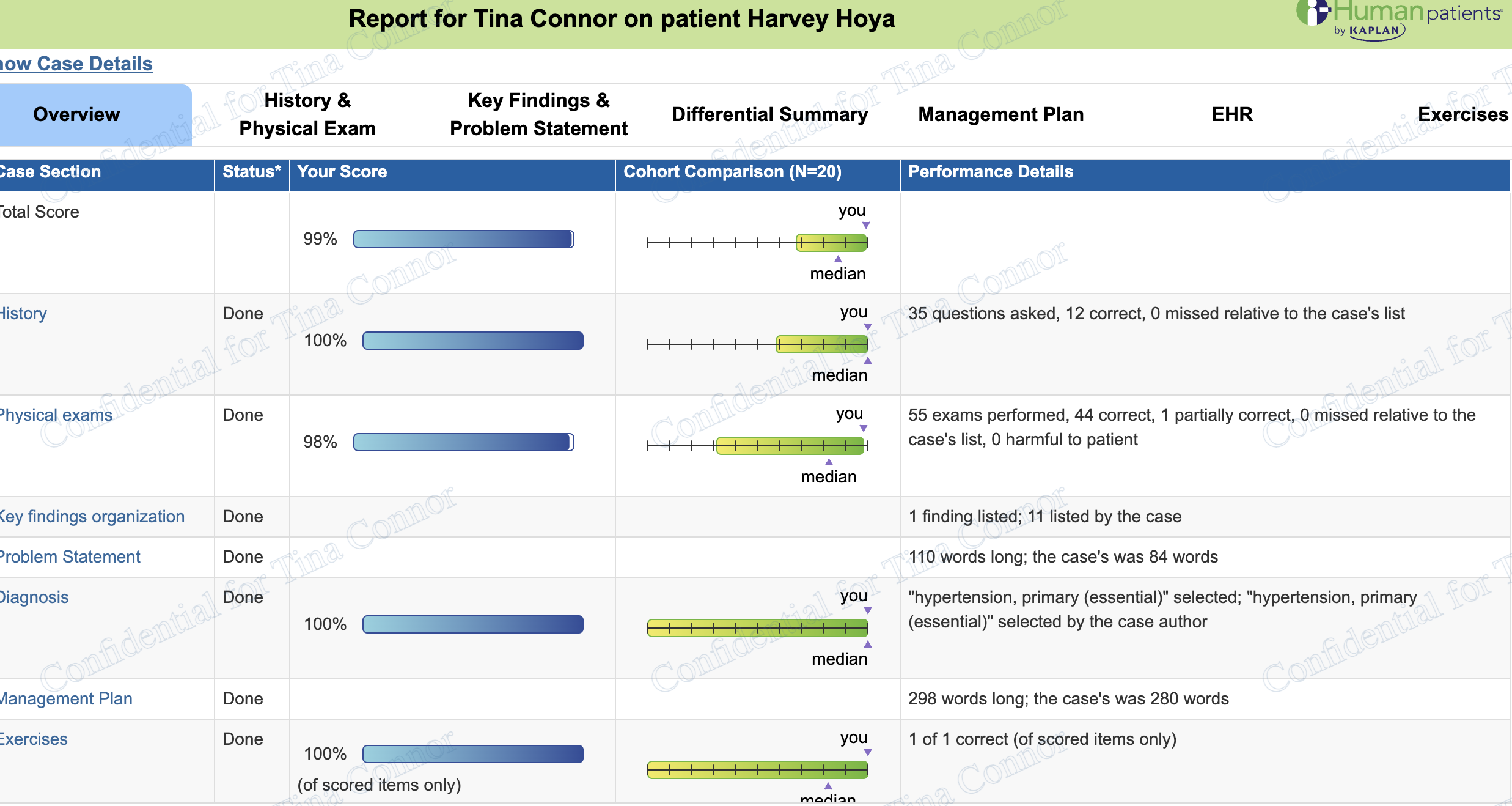
This simulation has all the key questions that you should ask the patients, all the physical assessments, the EHR entries, problem statement, and management plan.

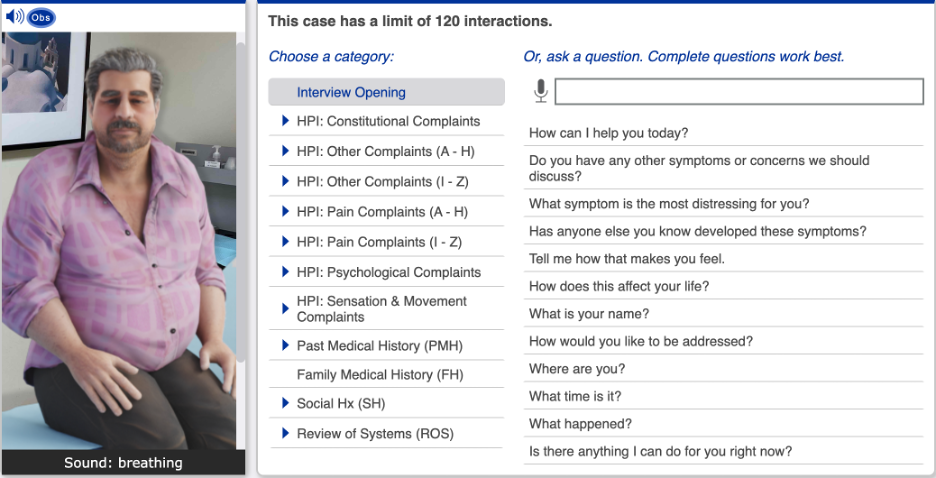
Key Patient Questions

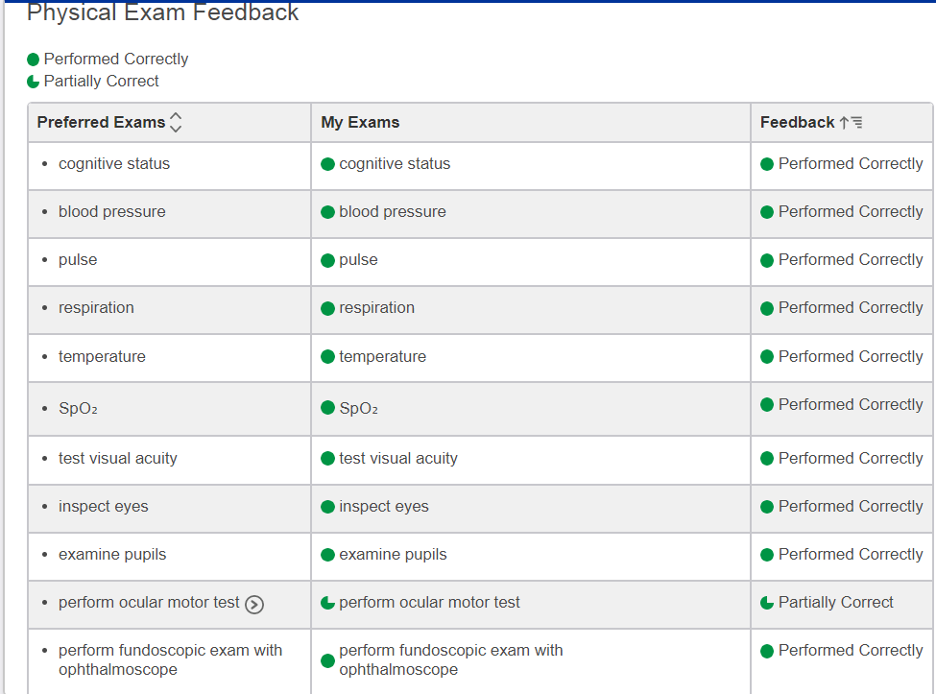
Key Physical Assessment Activities


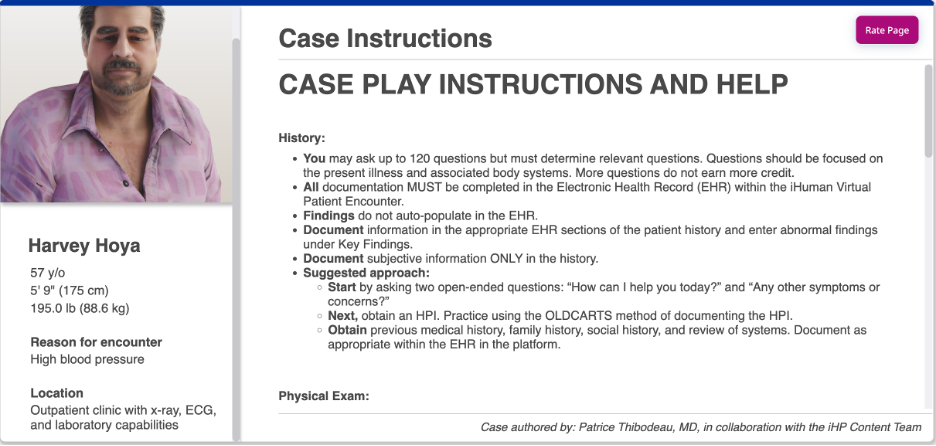
Case Instructions
CASE PLAY INSTRUCTIONS AND HELP
Rate Page
History:
- You may ask up to 120 questions but must determine relevant questions. Questions should be focused on the present illness and associated body systems. More questions do not earn more credit.
- All documentation MUST be completed in the Electronic Health Record (EHR) within the iHuman Virtual Patient Encounter.
- Findings do not auto-populate in the EHR.
- Document information in the appropriate EHR sections of the patient history and enter abnormal findings under Key Findings.
- Document subjective information ONLY in the history.
Suggested approach: - Start by asking two open-ended questions: “How can I help you today?” and “Any other symptoms or concerns?”
- Next, obtain an HPI. Practice using the OLDCARTS method of documenting the HPI.
- Obtain previous medical history, family history, social history, and review of systems. Document as appropriate within the EHR in the platform.
Physical Exam:
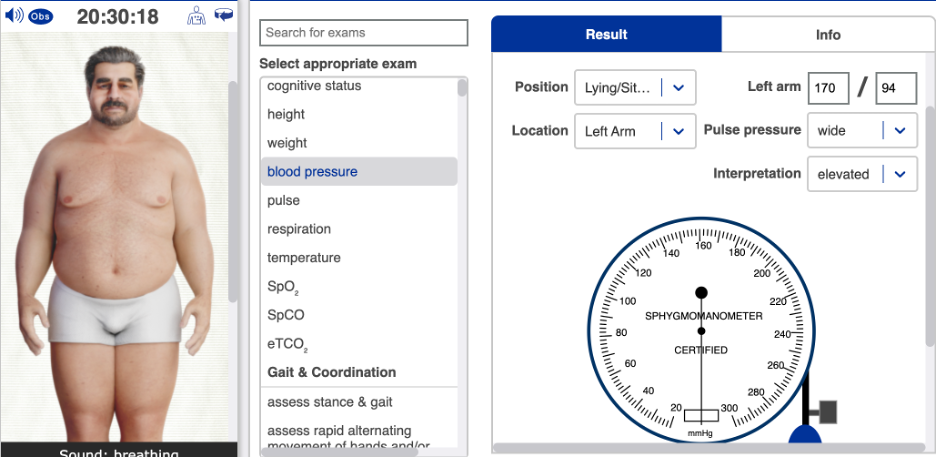
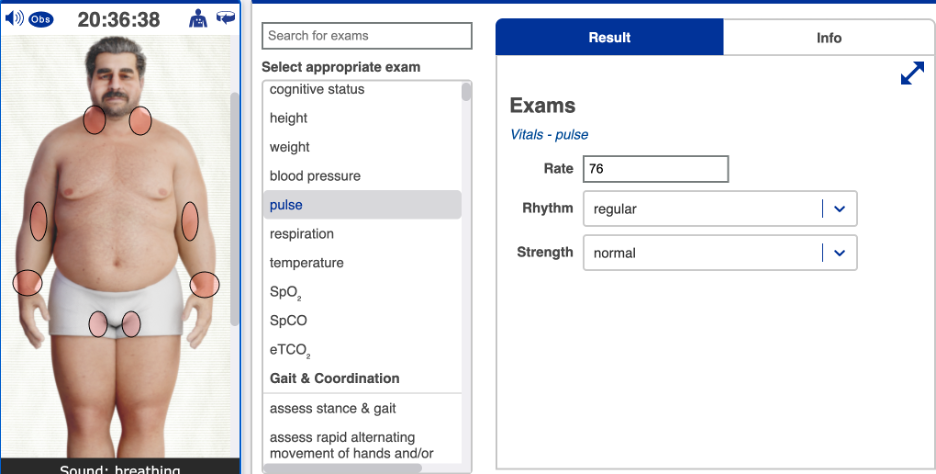
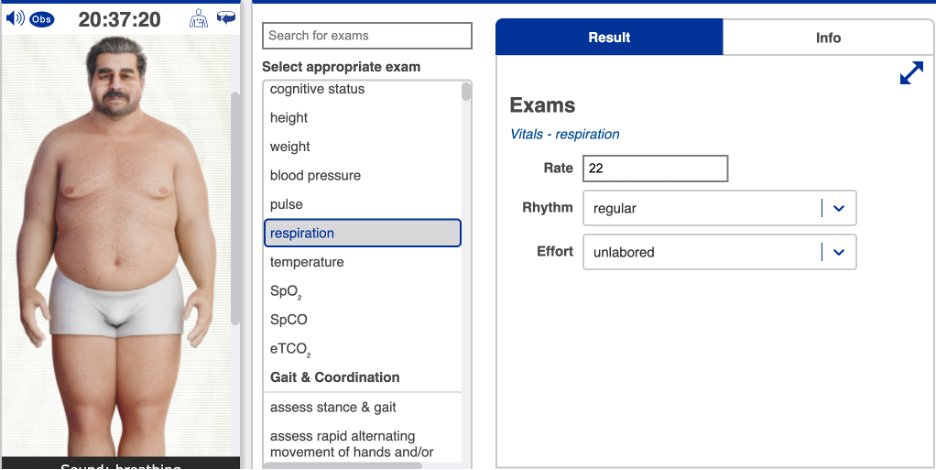
- Open and view the patient’s record to receive credit for obtaining vital signs.
- Click on appropriate physical exams of the present illness and associated body systems to determine findings for the patient.
- Document physical exam information in the EHR in the appropriate sections of the Physical Examination and enter abnormal findings under Key Findings. All documentation MUST be completed in the EHR within the Human Virtual Patient Encounter.
- Document objective information ONLY in the Physical Exam.
- Avoid ambiguous terms like “normal”. What is normal? Document what you found; interpret the findings later when you begin diagnosing the findings.
- If you did not assess a body system, document “Not assessed” rather than “Negative”. You do not want to infer findings that you did not assess inadvertently.
Assessment:
• Organize the Key Findings with the most important findings first and the least important findings last on the list.
Problem Statement:
- The problem statement represents the NP’s evolving sense of the clinical picture. It must be sufficiently detailed yet precise and succinct (no more than 2-3 sentences).
- Use professional language to summarize the patient’s current presentation. Include name or initials, age, chief complaint, pertinent positive and negative subjective findings, and pertinent positive and negative objective findings……………………………purchase the entire solution at $30 only

Reviews
There are no reviews yet.